

Navakaraṇa Sākalya Tantra
Sākalya Tantra
Holistic Transformative Teacher Training with Dario Calvaruso
A full 108-hour immersion programme into Navakaraṇa holistic practice and teaching in the most peaceful and magical mossy island in Yakushima of Japan.
-
Duration108 hours
-
Last UpdatedSeptember 6, 2024
Hi, Welcome back!
A course by

Schedule
Check-in
Anytime in the afternoon.
1 April, 2024
2 April, 2024
Opening Ceremony
Introduction & Saṃkalpa
Teacher Training
9:00 - 20:30 daily
3-5 April, 2024
6 April, 2024
Teacher Training
9:00 - 20:30 daily
7-9 April, 2024
10 April, 2024
Teacher Training
9:00 - 20:30 daily
11-13 April, 2024
13 April, 2024
Graduation
Graduation Dinner & Ceremony
Closing Circle
Kula Brunch & Check-out before 10:00
14 April, 2024
*Activities and schedule are merely suggestive and can change according to weather conditions for an optimal experience.
CURRICULUM
Location
REQUIREMENTS
CURRICULUM
Programme
This is an experimental immersion programme for graduates. Those desire to join this course should bear in mind that throughout the training period, you will put aside professional and personal commitments and focus solely on the training. Students are also advised to adopt healthy sleeping habits and diet, which are essential parts of the training.
Course Objectives
Sākalya Tantra course is a post-graduate curriculum to Navakaraṇa Vinyāsa Hṛdayam. The objective of this course is to provide Navakaraṇa Vinyāsa teachers the theories, methodologies and techniques to implement into their personal lives, teaching and studio curriculum the holistic aspects of Navakaraṇa method.
This syllabus covers synergistically the fundamental principles of 5-element holistic lifestyle, active cleanses, bodywork manipulation, seated movement therapy, technique of emotional catharsis, self psycho-analysis therapy, mindfulness techniques, relaxation and sound therapy. At the completion of this course, Navakaraṇa teachers will be able to teach holistic therapy one-to-one and in a group setting and extend the reach to new clienteles in their own respective studios.
This course is designed in a retreat format for participants to experience organic rural lifestyle, interrelate with people of different cultures, adventure in nature excursions and experiment minimalist and spartan living as an integral part of the training.
Syllabus
During this course the participants will learn:
- fundamental principles of 5-element holistic lifestyle
- active cleanses
- bodywork manipulation
- seated movement therapy
- technique of emotional catharsis
- self psycho-analysis therapy
- concentration techniques
- relaxation and sound therapy
Schedule
Preliminary
Participants must have taken bath, studied the theories in the manual and reviewed the series before entering the śālā. Nobody is allowed to enter the śālā without having taken bath.
7:30 - 8:30
8:30 - 8:45
Getting ready
Students enter the śālā silently:
- on an empty stomach, clean body and composed mind
- keeping complete silence
- shall set the mat and props
- then sit for mindful breathing until commencement of the class
No food is allowed in the śālā.
Practice
By 9:00 the śālā door is closed and thereafter nobody will be allowed to enter the studio. Class starts with Teacher's introduction to the series, followed by series practice.
9:00 - 10:45
10:45 - 11:00
Break
Quick refresh, change of clothes and tea break.
Lecture
Series: Sequencing / De-construction / Conditioning
11:00 - 12:30
12:30 - 13:00
Break
Light nourishing lunch
Workshop
Lecture: Methodology, Sanskrit & Exam Papers
13:00 - 15:00
15:00 - 15:15
Break
Herbal infusion
Workshop
Saṃyama Sequencing, De-construction & Teaching skills
15:15 - 17:00
17:00 - 18:00
Break
Light nourishing dinner
Workshop
Massage sequencing
18:00 - 20:30
Certification
Upon completion of the course you will receive Sākalya Tantra Certificate of graduation. Only graduates holding Sākalya Tantra Certificate are authorised to teach this curriculum.
Language
Conducted in English. If you need interpreter send a request →
Exclusive setting
In order to maintain the highest quality training, facilitate learning and easy interaction between faculty and students, the number of participants will be limited to 12.
Post training follow-up
After the training you can follow up with Dario on how to incorporate Sākalya Tantra curriculum in your studio.
Location
The location
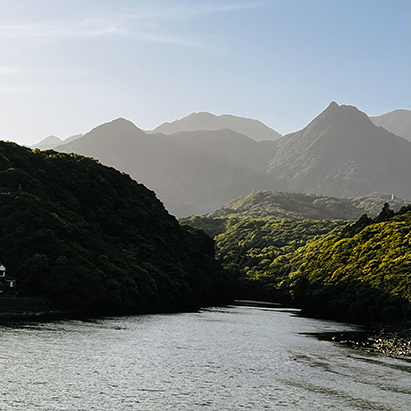
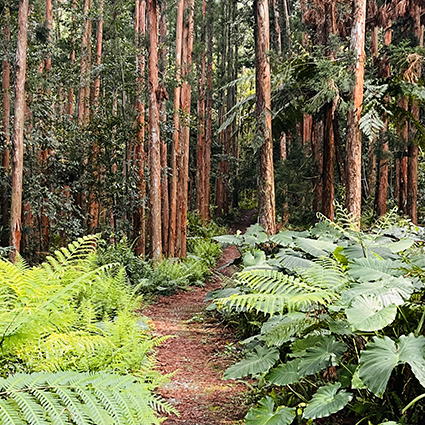
Yakushima (屋久島) is one of the Ōsumi Islands in Kagoshima Prefecture, Japan. Yakushima is a unique remnant of warm temperate ancient forest and natural World Heritage site since 1993.
Yakushima has been settled since at least the Jōmon period (BCE 縄文時代, Jōmon jidai 14,000–300 BCE). Yakushima contains one of the largest tracts of existing Nansei Islands subtropical evergreen forests, an endangered habitat ecoregion. The only large animals indigenous to the island are red-bottomed macaques (Yakushima macaque) and a variety of sika deer (yakushika). The Japanese raccoon dog is also a common animal, but is not native to the island. Japanese weasels (Mustela itatsi) may also be seen from time to time. The island is a spawning ground for migratory loggerhead turtles, and dolphins are to be found offshore. It has been recognised as an Important Bird Area (IBA) by BirdLife International because they support populations of Japanese wood pigeons, Ryukyu green pigeons and Ryukyu robins.
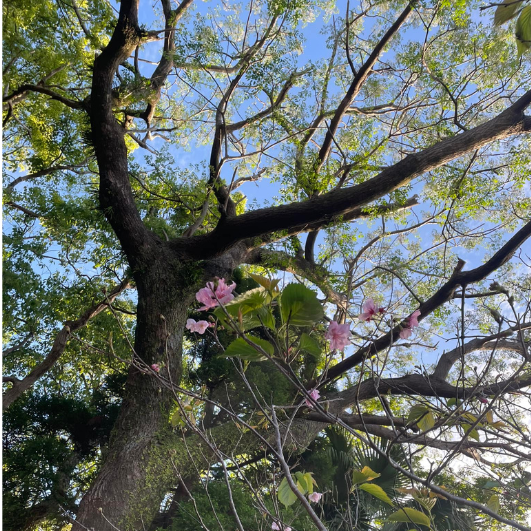
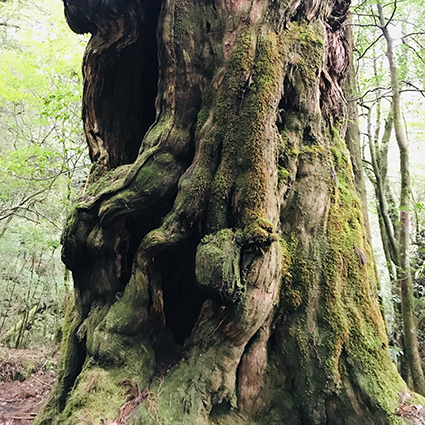
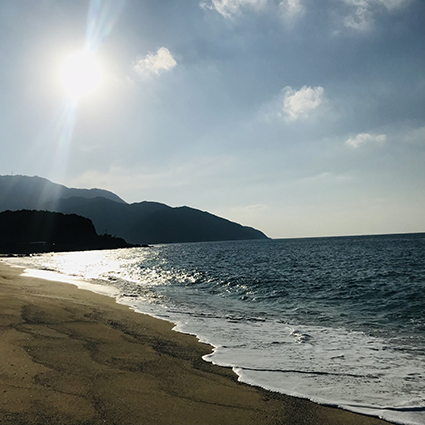
Yakushima is famous for its lush vegetation and yakusugi (屋久杉) millenarian cedar tree. The best known single example of which is named the Jōmon Sugi (縄文杉), as its age is estimated to date to at least 2300 years ago. In addition, the island lists over 50 varieties of endemic flower, notably rhododendrons, and hundreds of rare endemic Bryophyta, as well as a number of endemic trees. In 1980, an area of 18,958 ha (46,850 acres) was designated a UNESCO Man and the Biosphere Reserve. In 1993, 10 hectares (25 acres) of wetland at Nagata-hama was designated a Ramsar Site. It is the largest nesting ground for the endangered loggerhead sea turtle in the North Pacific.
Venue
Guesthouse
Yakushima is a rural area. Participants will need to be open-minded and adjust to the simplistic lifestyle, frequent changing weather conditions and environment. You will be staying in a traditional Japanese guesthouse located at the very south of Yakushima. The guesthouse is adjacent to Navakaraṇa Āśrama. You will clean your room and wash your own clothes at the coin-washing machine available in the guesthouse.
Weather
The weather on the island is unpredictable. It can be super hot and sunny for 7 days straight, we can get heavy rain, storms and windy for 7 days. It can also be sunny, rainy, windy, cloudy and clear sky with rainbows on the same day! Participants need to be able to adjust.
Accommodation
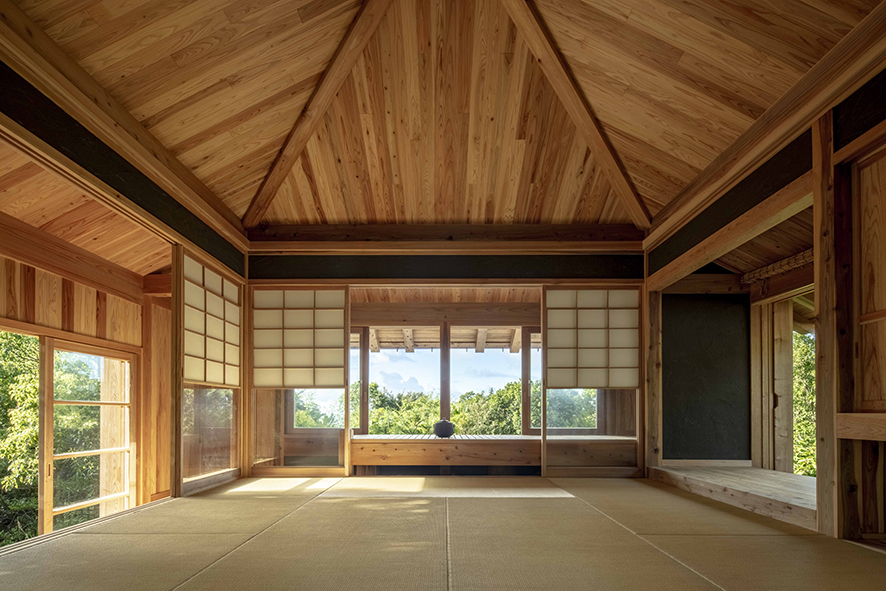
The accommodation is simple and spartan. There are six small rooms that can be shared between a maximum of two people. The rooms are of two types:
- tatami room with futon
- bedroom with bunk beds
Room allocation is on a “first come first served” basis.
Tatami Room
Sleeps two
Bunk Room
Sleeps two
Environment
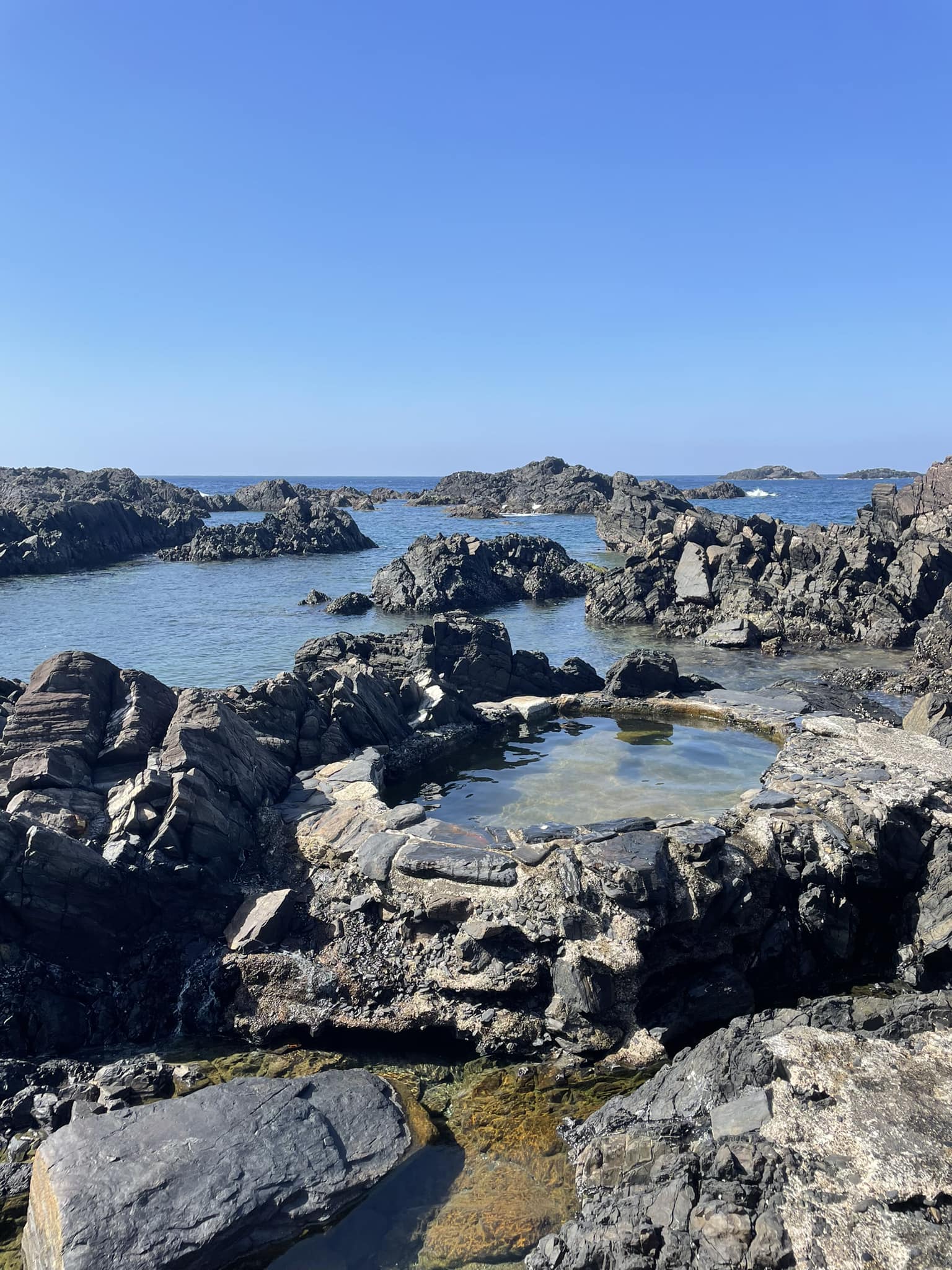
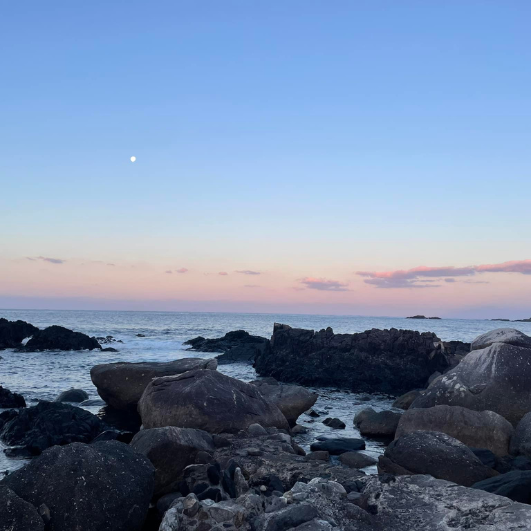
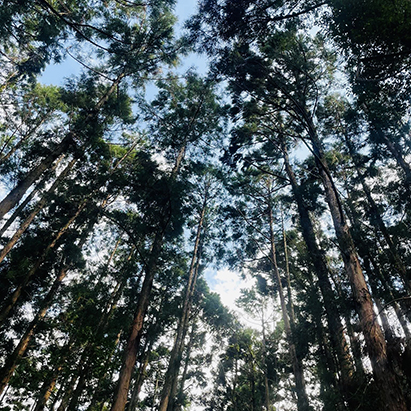
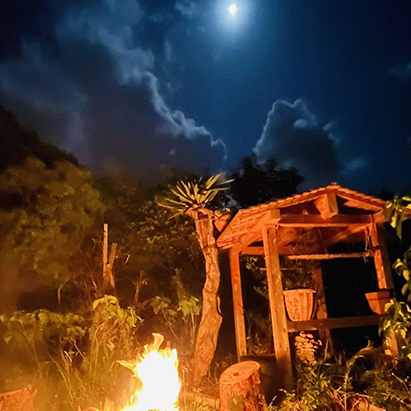
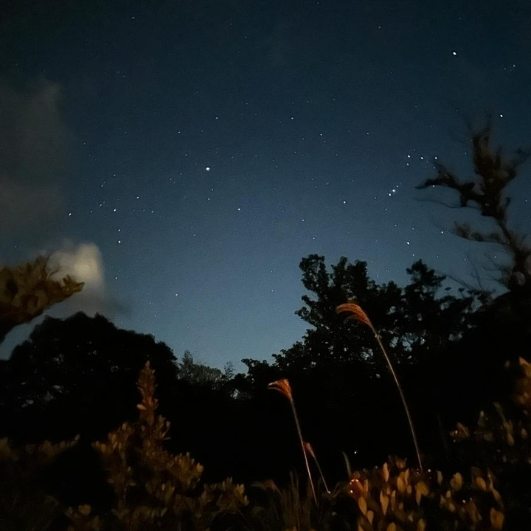
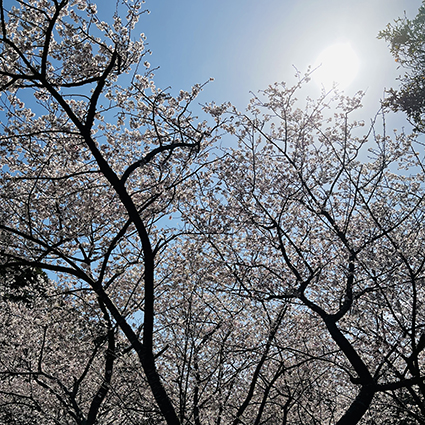
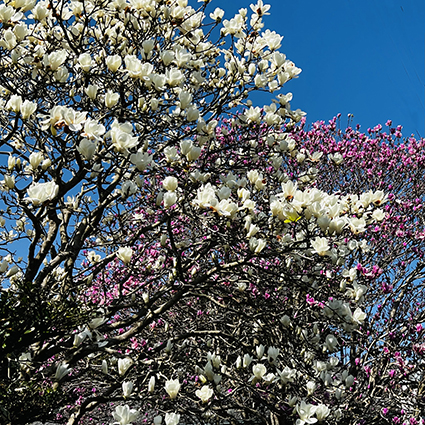
There is amazing nature on this special island, ocean, mountain hikes, hot-springs, waterfalls, forest moss and much more which we would not want to miss. We will arrange excursions according to weather conditions for you to have the best experience.
Navakaraṇa Kyorei
A hermitage for self-transformation and experimental ground for organic holistic eco-living is just next your guesthouse across the river.

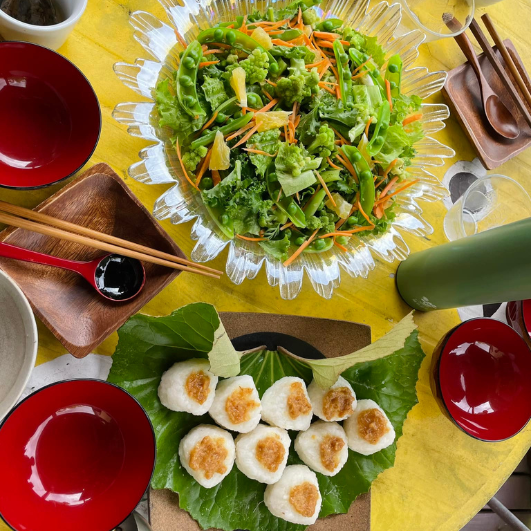
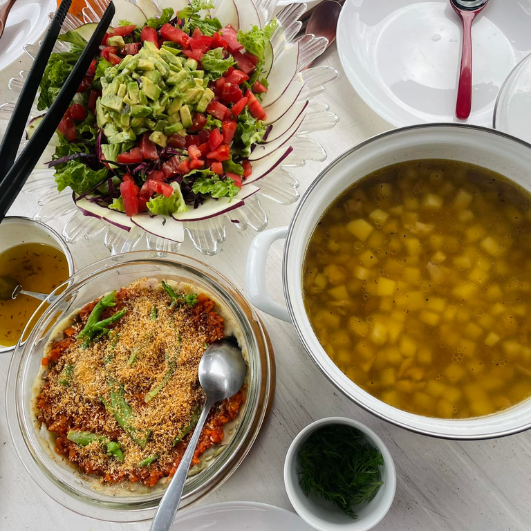
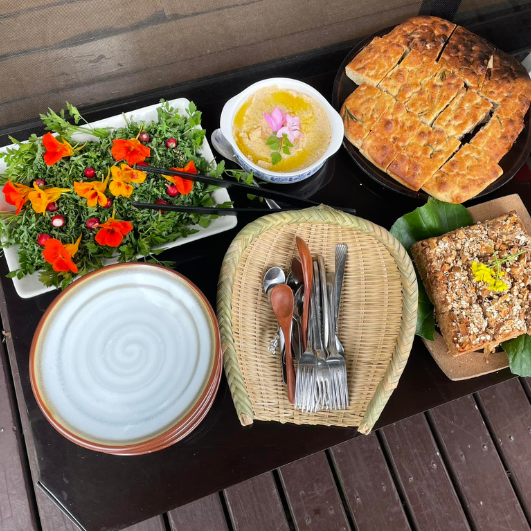
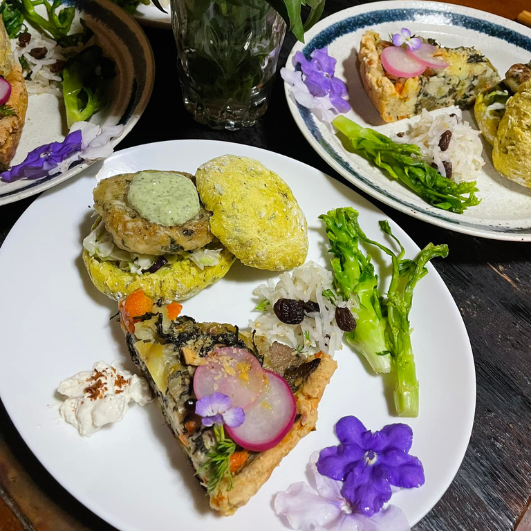
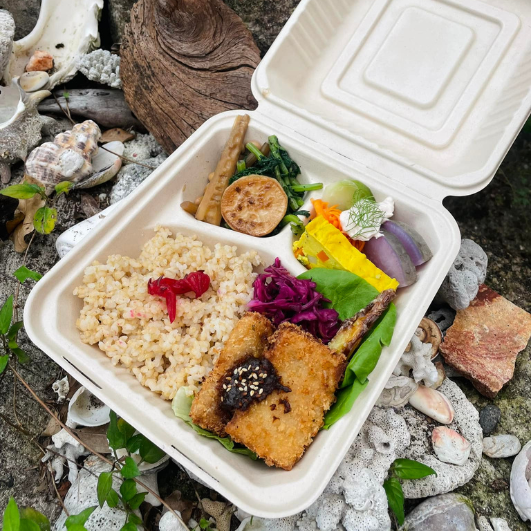
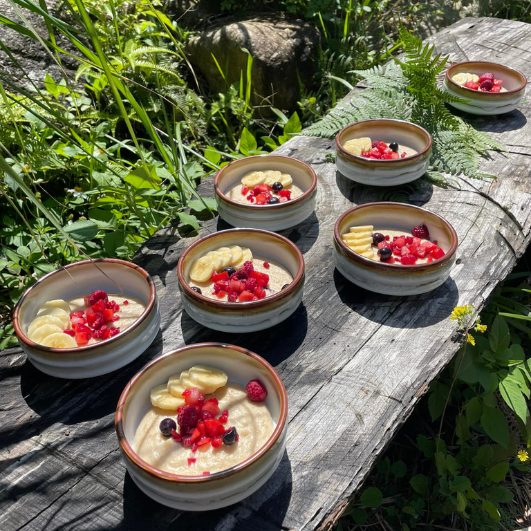
Our Food
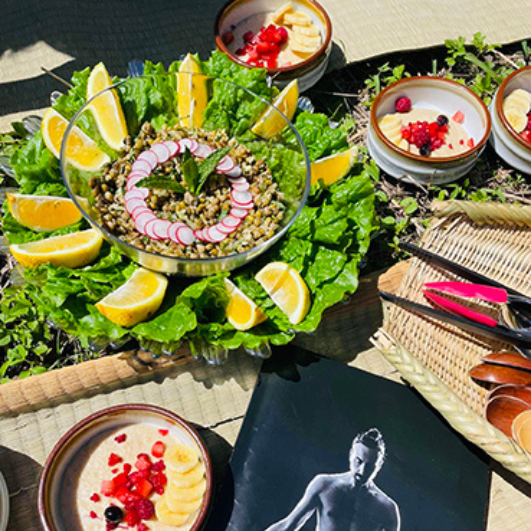
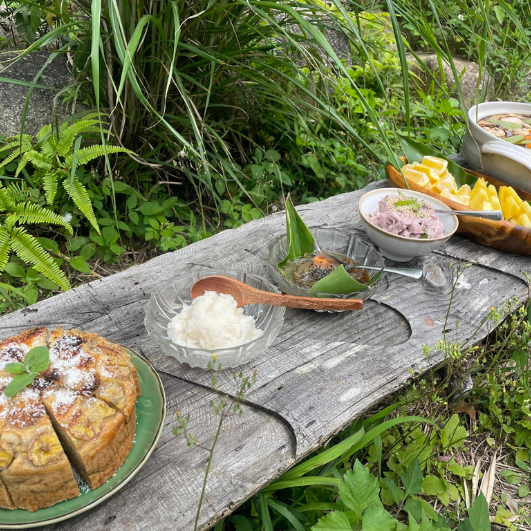
All meals are plant-based without the use of garlic and onions served by Navakaraṇa Ryorī.
We use organic, seasonal and locally grown ingredients supporting local farmers and the environment.
Our talented Japanese culinary team will prepare a light breakfast, lunch and dinner with love each day. Please inform us in advance if you have any food allergies or intolerance and mention the type of allergy or intolerance on the registration form when you confirm your payment.
Meals times, menus and dinning arrangements are designed thoughtfully and intentionally for an optimal holistic lifestyle and inspire you to develop healthy eating habits after the programme.
How to get there
Access to Yakushima
You can reach Yakushima by airplane or by ferry. There are direct flights to Yakushima from Kagoshima (Kagoshima Airport), Fukuoka (Hakata Airport) and Osaka (Itami Airport).
An alternative option is to take the High Speed Ship Jetfoil operated by “Toppy” and “Rocket” from Kagoshima Port. Some jetfoil stops first at Tanegashima then Yakushima, another reaches directly Yakushima. Please be reminded to not get off at Tanegashima but at Yakushima. You can book jetfoil online or locally (if any empty seats are available). There are also ferries operating the same route but they take longer. The Hibiscus Ferry for instance operates overnight and arrives at Yakushima in the morning. This could be an option if you prefer to skip staying a night at Kagoshima. No reservations are required for the ferry. These are purchased locally.
What could be an economical option can turn into a more expensive one as if the weather is not optimal the ferry will be cancelled and you may end up paying a extra night in a hotel.
Weather condition is unpredictable on our rainforest island, flights and ferries may be cancelled. Consider extra time when you plan the itinerary. You need to arrive at Yakushima a day prior to the programme.
Our advice
The best route for reaching Yakushima from overseas is:
- Fly to Kagoshima International Airport then take a walk of 3 minutes to the Kagoshima Domestic Airport, then fly directly to Yakushima Airport
Alternatively:
- Fly to Osaka, Kansai International Airport; then take a bus transfer to Osaka Itami Domestic Airport (takes 50 minutes and costs about ¥2000) then fly directly to Yakushima Airport.
REQUIREMENTS
Class requirements
- Black/blue and red pens
- Pencils and eraser
- Three (or more) notebooks
- Laptop
- Manual(s) (provided by the Teacher on the first day)
- Personal mat
- Wool blanket
- Two exercise blocks
- One exercise towel
- One face towel
- Sufficient a change of clothes (2 set per day)
Recommended:
- Water bottle or thermo
- Five-toes socks
Storage:
You can leave only inexpensive and unimportant items in the śālā (such exercise blocks, mat etc.) at your own risk and responsibility.
As per our Terms & Conditions the Teacher, Company, Host and/or staff appointed are not responsible for any damage or loss of your personal belongings. You must not leave your manual(s) in the śālā. Please also note that in case participants lose the manual, no other copy will be given.
Training and Lifestyle Regulations
Regulations will be applied without exception:
- Take a quick shower every morning before entering the śālā.
- Change clothes after practice.
- Bring your own wool blanket/mat, personal towel and exercise towel.
- Bring a laptop or tablet (if you do not have one you cannot participate in the training).
- Be punctual with training and break schedule.
- Noo chat in the śālā besides the conversation led in the class.
- All in silence and light off in all the rooms from 22:00 to 6:00 (including mobile and reading lights).
- Consumption of alcohol and smoking are not allowed inside our premises.
- Keep your room clean and keep silence in your room after 22:00.
- No food is allowed inside the śālā.
- The śalā is a silent room.
- Avoid staying in the śālā (gathering, chatting) between 21:00 and 8:00.
- By 8:30 you should be in the śāla ready for the training.
Terms and Conditions
By registering to our programme you confirm to read, understand, acknowledge and agree on the Terms & Conditions. and have read, understood, acknowledged and agreed to our Global Privacy Policy worldwide.